The store will not work correctly when cookies are disabled.
JavaScript seems to be disabled in your browser. For the best experience on our site, be sure to turn on Javascript in your browser.
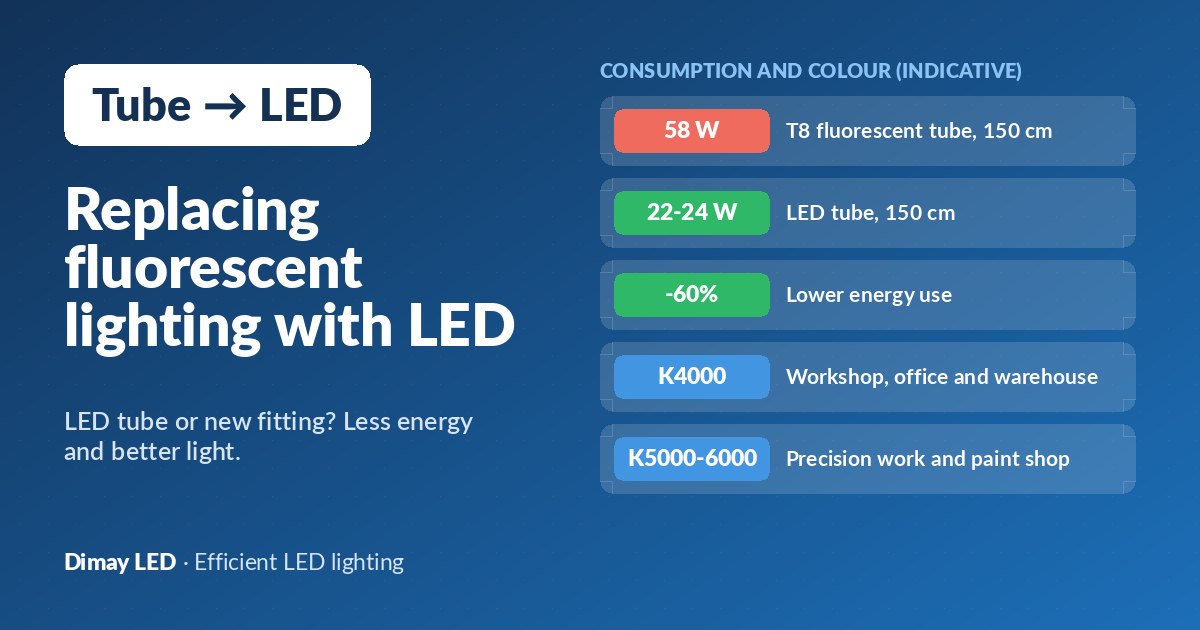
Page 2 - Blog Two ways to switch from fluorescent to LED, with the savings and the right colour temperature for each space.
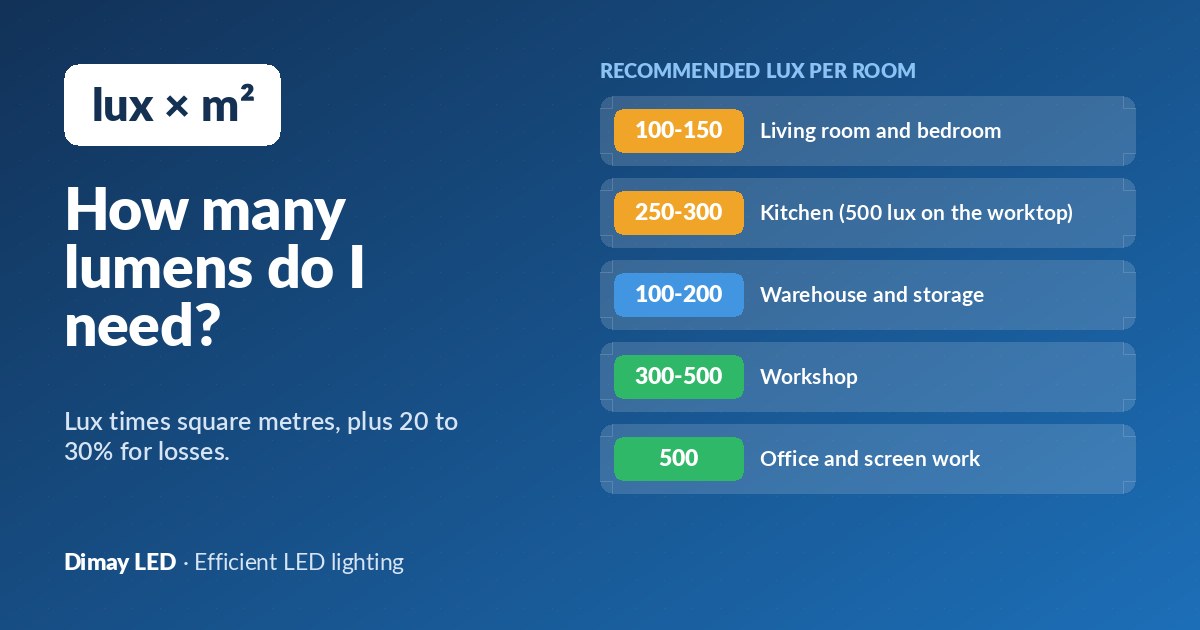
Read more » With lux and square metres you can quickly work out how many lumens and how many lights a room needs.
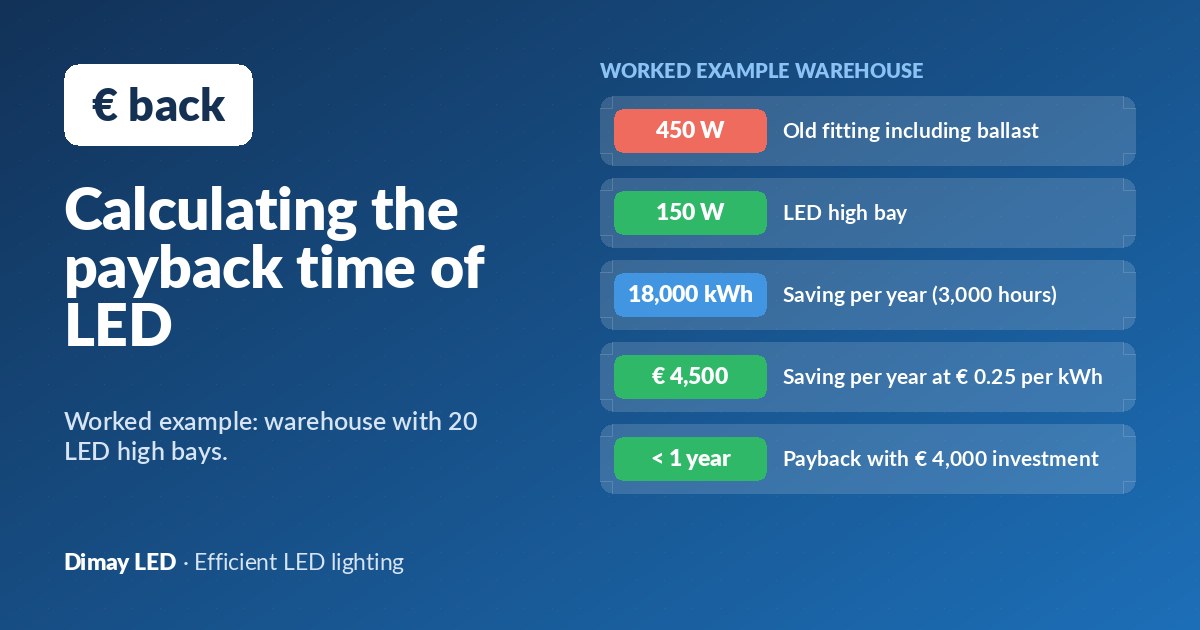
Read more » Work out in three steps how much electricity LED saves and how quickly your investment pays back.
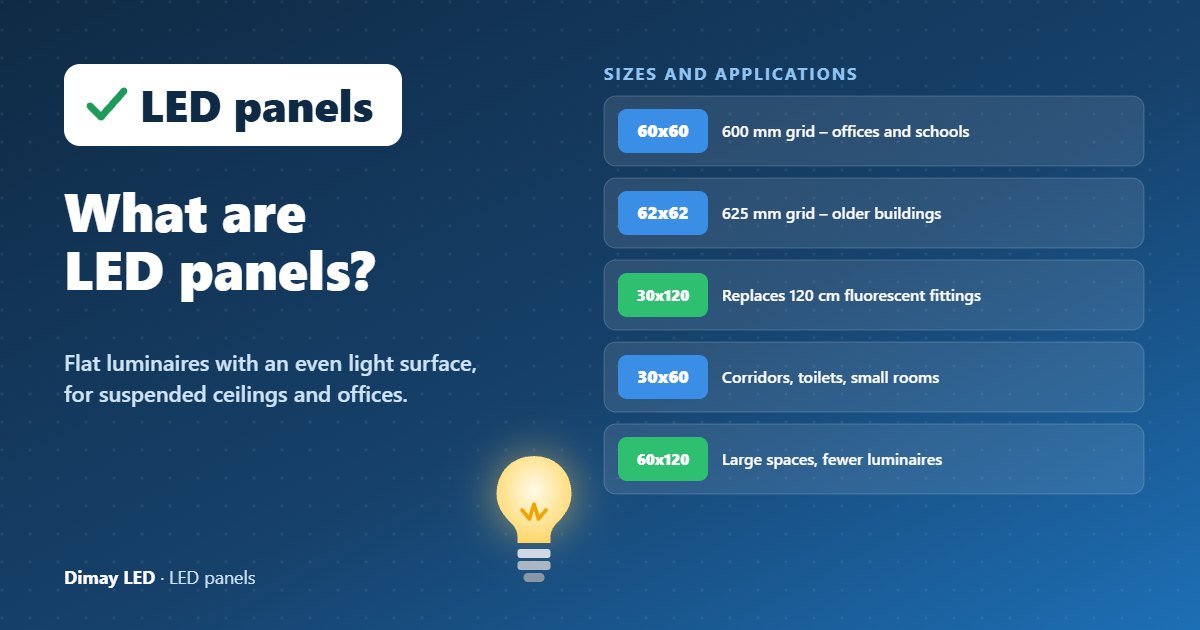
Read more » LED panels are flat, square or rectangular luminaires that give even light. They fit into suspended ceilings and replace old fluorescent luminaires.
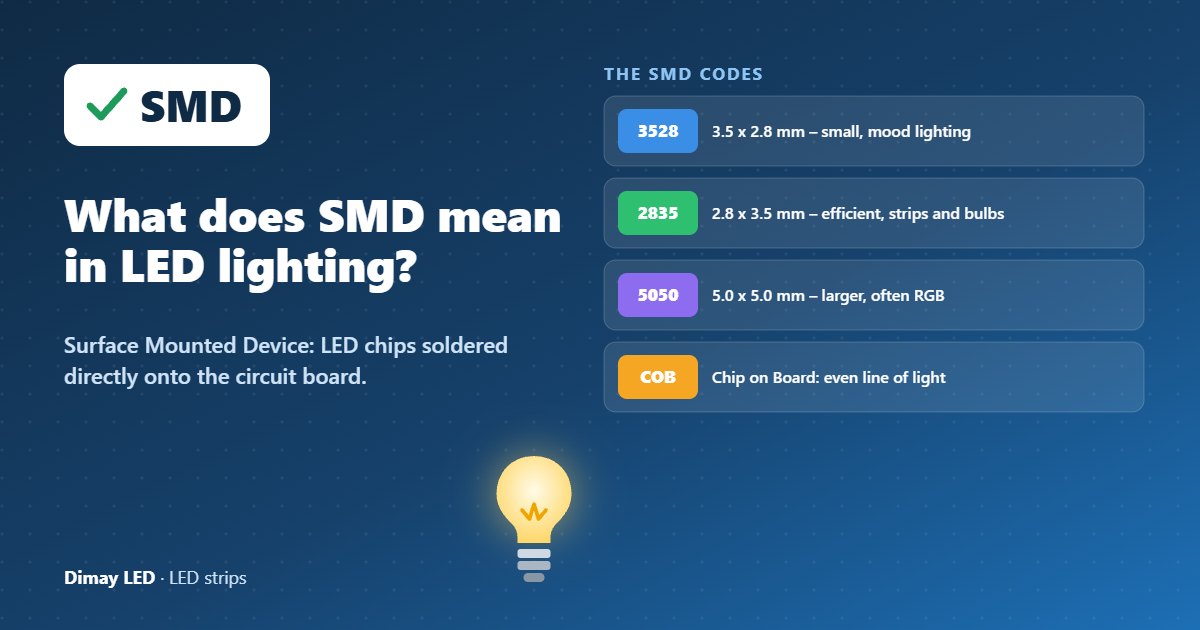
Read more » SMD stands for Surface Mounted Device: LED chips soldered directly onto a circuit board. Codes such as 2835 or 5050 indicate the size of the chip.
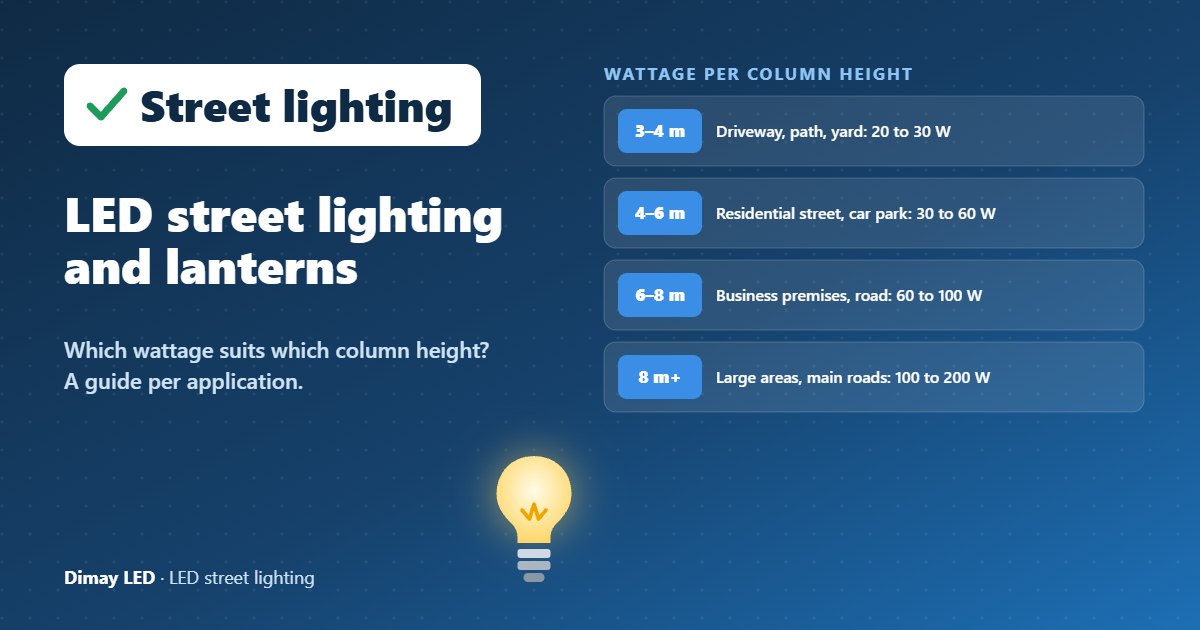
Read more » LED street lighting lights roads, car parks and driveways efficiently and reliably. Classic lanterns are also easy to convert to LED.
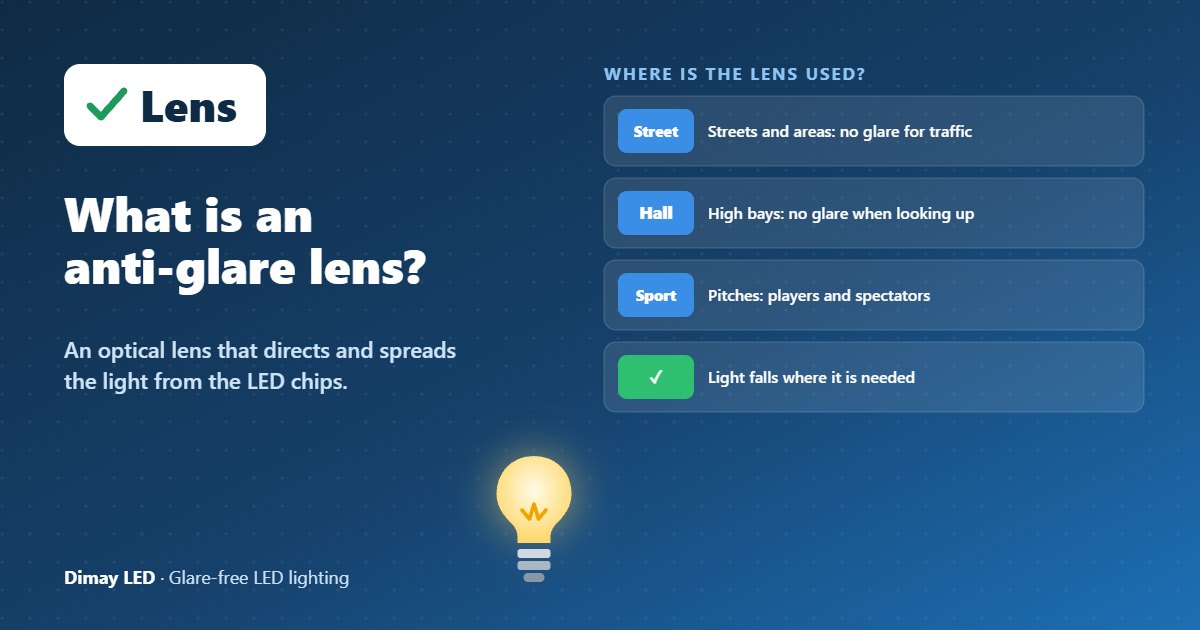
Read more » An anti-glare lens directs and spreads the light from LED chips, so you do not look into bright points of light. The result is comfortable, safe light.
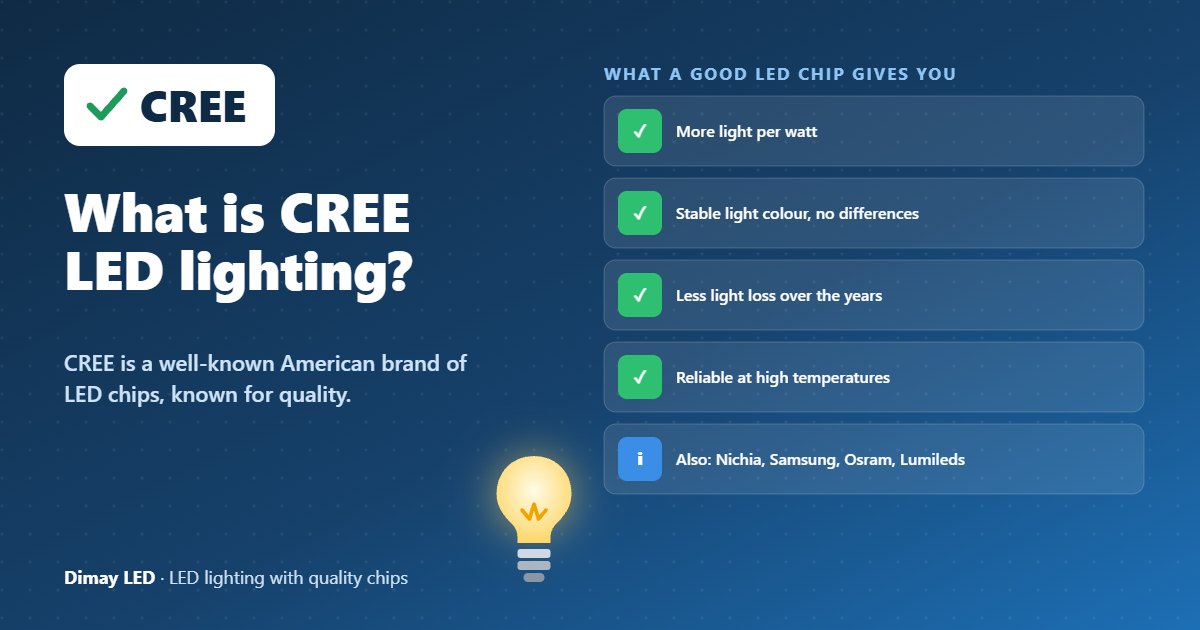
Read more » CREE is a well-known American manufacturer of LED chips. Luminaires with CREE LEDs are known for their high light output and reliability.
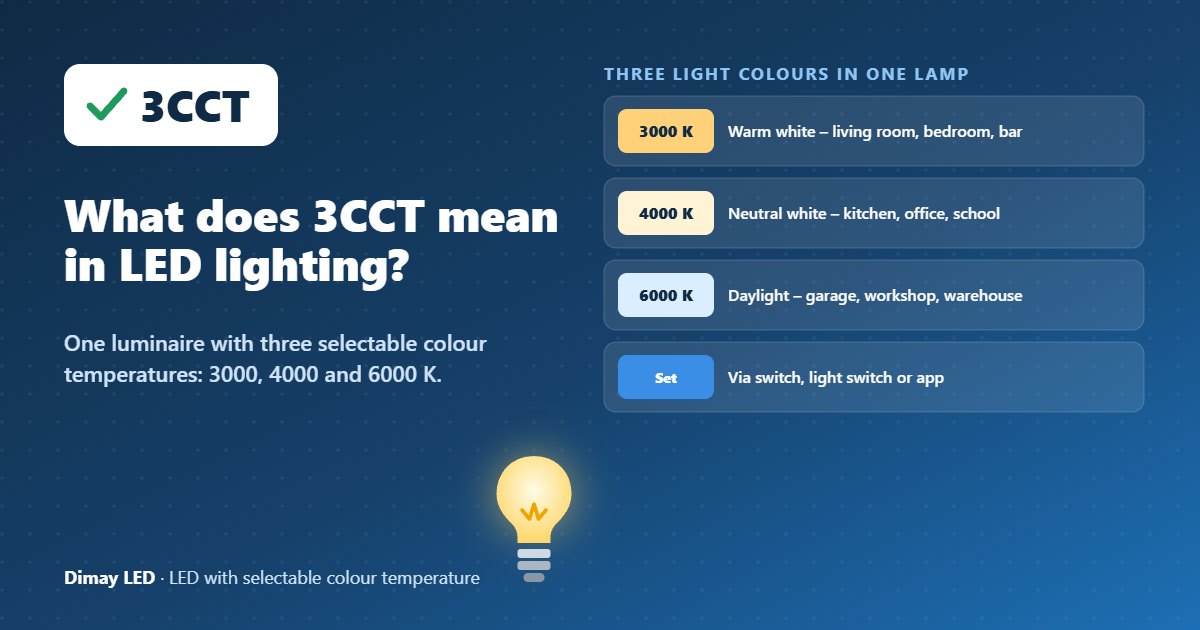
Read more » 3CCT means you can choose a lamp's colour temperature from three settings, usually 3000 K, 4000 K and 6000 K. One luminaire, three colour temperatures.
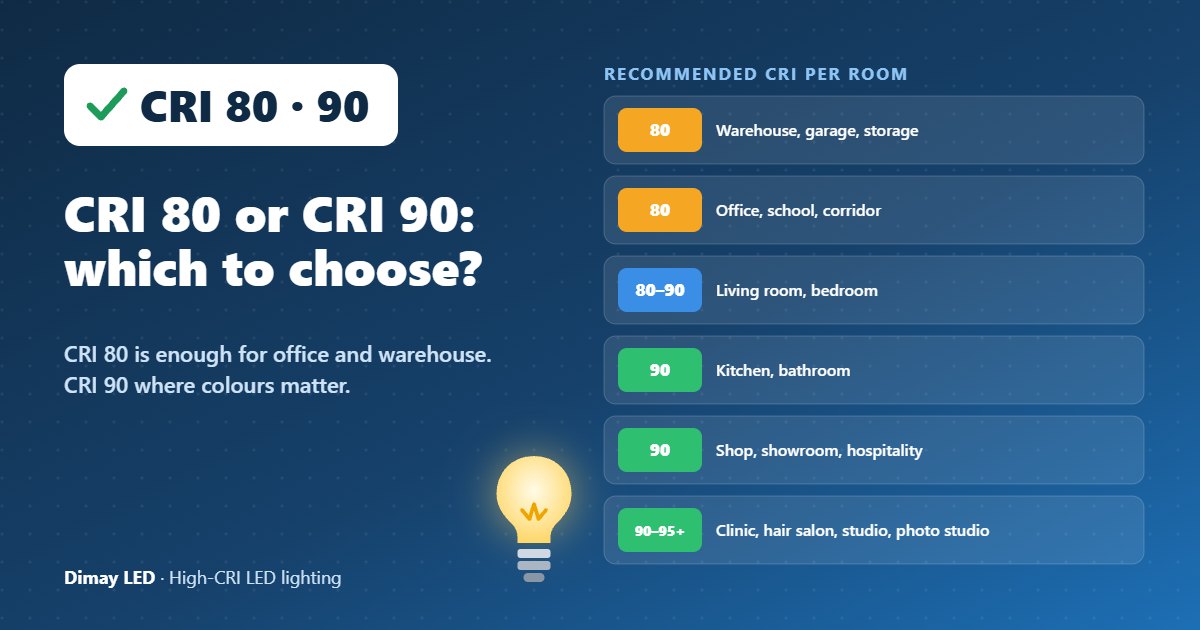
Read more » CRI 80 is enough for offices, warehouses and homes. Choose CRI 90 where colours matter, such as in shops, kitchens, clinics and showrooms.
Read more »

 België
 Denmark
 Deutsch
 Español
 Finland
 Français
 Nederlands
 Sweden